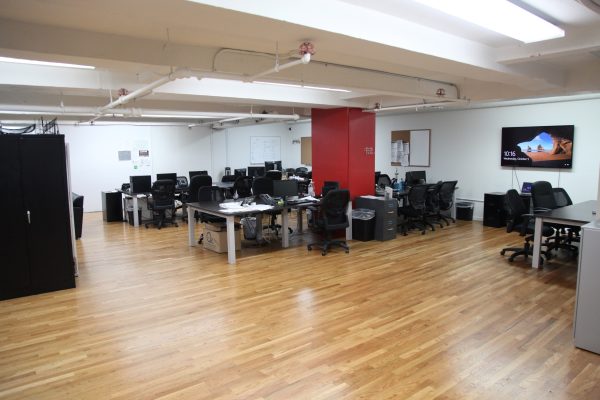
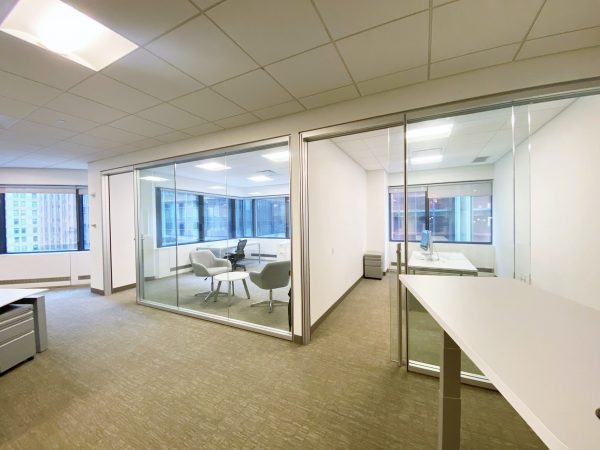
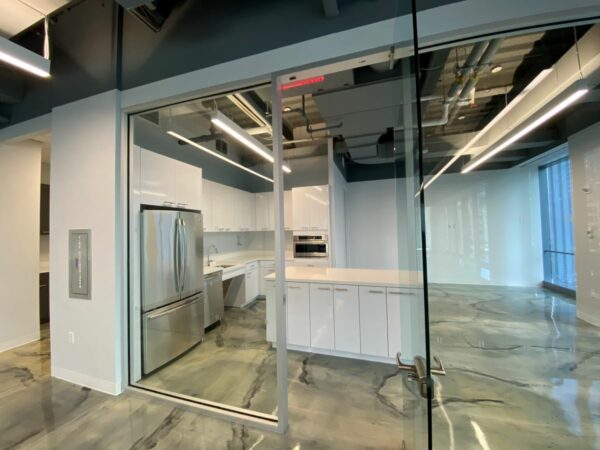
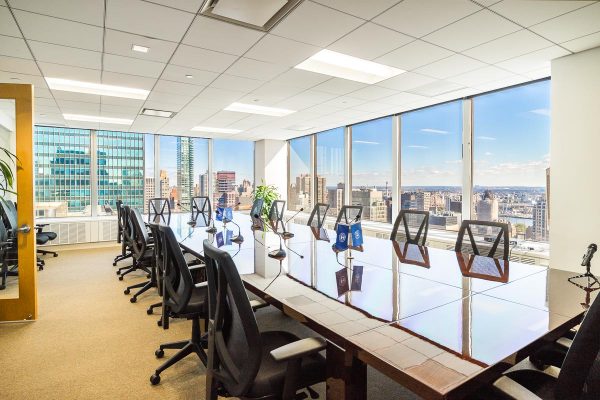
Need NYC rental offices? Explore the ease with which Unique Workspaces finds inspiring, move-in-ready offices in Manhattan – carefully curated listings, professional service, and flexibility.
Finding office space in Manhattan can feel like a never-ending challenge. Between steep prices, long leases, and limited flexibility, many small businesses and startups are looking for smarter alternatives. That’s where Unique Workspaces, located at 260 Madison Avenue in Midtown Manhattan, makes a real difference. We provide fully furnished, flexible office spaces in Manhattan designed for teams that want to work smarter, scale faster, and stay in the heart of New York City’s business scene.
In today’s fast-changing work environment, flexibility is everything. Many professionals and growing businesses are shifting toward shared workspace solutions, modern, collaborative environments that save costs and boost productivity. If you’ve ever wondered “What is a shared workspace?” or “Does my business really need one?”, this guide from Unique Workspaces breaks down everything you need to know, from what shared office space means to why it could be the smartest move your team makes this year.
Most people understand the difference between buying and renting, but when it comes to lease vs rent, the line can get blurry. Both options allow you to occupy a space without owning it, but they differ in duration, flexibility, cost control, and legal structure. Whether you’re looking for a home, apartment, or office space in New York, knowing how lease vs rent works will help you make smarter financial decisions. In this guide, Unique Workspaces breaks down the key differences, advantages, and drawbacks of each so you can confidently choose the right option for your needs.
When choosing office space in New York, it’s important to understand what makes one building different from another. Commercial real-estate professionals typically divide properties into Class A, Class B, and Class C categories. These classes aren’t official legal designations but are widely accepted benchmarks that describe a building’s age, amenities, location, infrastructure, and reputation in its local market. Knowing the difference helps tenants align leasing costs with expectations. Whether you want top-tier Class A office space that makes a statement or a functional Class B suite that balances quality and value, building class affects both rent and experience. Let’s break down what each classification means and how to choose the right fit for your business.
If you’re looking to sublease office space in New York, you’re not alone. Many companies across Manhattan are discovering that subleasing is a smart way to cut costs, improve flexibility, and make the most of their existing workspace. Whether your business has shifted to hybrid work, downsized, or simply has unused rooms, learning how to sublease office space effectively can turn that extra square footage into a valuable asset. At Unique Workspaces, we help New York businesses sublease office space quickly, legally, and profitably. This guide walks you through every step so you can sublease your office confidently and efficiently.