

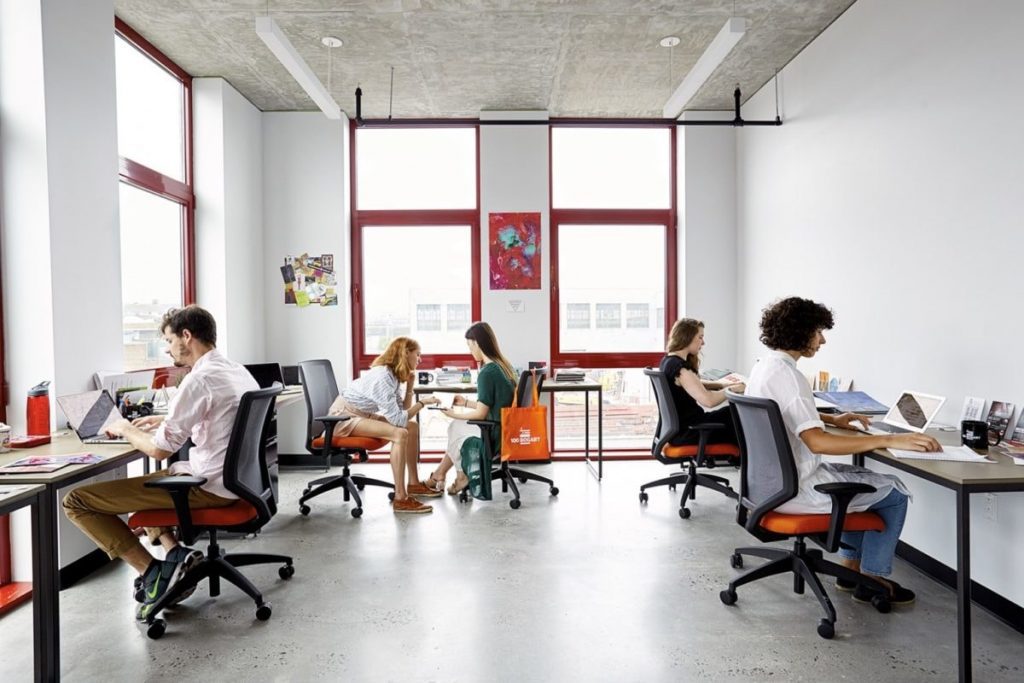
The Future of Coworking Spaces: What will the Future of 2026 and Beyond Look Like?
The future of coworking spaces is rapidly taking shape as the culture of work continues to evolve. Over the last decade, remote work, hybrid schedules, digital-first companies, and flexible work practices have transformed how businesses use office environments. As a result, the future of coworking spaces is emerging as one of the most influential trends in modern workplace design worldwide.
Coworking is not something that is limited to freelancers or startups anymore. Companies in large-scale, co-located teams, creative agencies, or even enterprises are now moving towards the coworking-style environment to enhance productivity and lower costs of operation, as well as employee satisfaction. Coworking is also becoming a prototype of the future of work with its combination of flexibility, community, and creative design.
In this blog, we look into the future of coworking spaces in 2026 and after – and why businesses are accepting the newer age of workspace development.
The New Coworking: Why It Is the New Normal
Coworking has gained more relevance than ever due to the accelerated development of flexible work. Companies now want access to:
Short-term and long-term workspace solutions.
- Move-in-ready offices
- Professional amenities
- Meeting rooms
- Environments of community action.
- High productivity zones
One of the largest reasons why coworking is becoming the model of choice is the capability to scale up/down within a short period of time. The future of coworking spaces will become more creative, flexible, and experience-oriented as organizations become less exposed to real estate risks and have their employees at their heart.
Best Future Trends that are Shaping the Future of Coworking Spaces
Over the past few years, the coworking model has undergone a lot of development. The following are the largest trends that are influencing its future:
- Coworking demand will occur because of hybrid work.
Hybrid schedules are now the norm across the world. They desire that their employees be free to work at home, at the office, or anywhere along the periphery. Businesses desire reduced real estate prices and improved output.
This shift means:
- Flexible coworking membership will be demanded by a greater number of teams.
- Businesses will lease coworking suites as an alternative to office leasing.
Remote workers will also access coworking facilities as their work centers locally.
Evidently, the future of coworking spaces is linked directly with the emergence of hybrid work.
- Design will place a lot of attention on Well-Being.
Workplace wellness has become a strategic consideration for employees. The future coworking spaces will consist of
- Natural lighting
- Plant and natural biophilic designs.
- Calm, comfortable layouts
- Silent focus zones
- Meditation and relaxation spaces.
This is a human-based design methodology that will improve creativity, burnout reduction, and productivity in the long term.
- There will be smooth integration of technology.
Tech will become a huge contributor to the future of the coworking spaces, and features include:
- Smart access systems
- Digital room booking
- series of soundproofed virtual meeting pods.
- Wireless charging stations
- AI-powered climate control
- Quick, high-speed, secure internet facilities.
Working environments will be smart cities that allow people to work with ease.
- Community will be one of the competitive advantages.
Coworking spaces are believed to work due to the fact that they are not mere offices but rather communities. Community-building shall be even more significant in the future.
Expect to see:
- Professional networking activities.
- Skill-building workshops
- Mastermind groups
- Wellness sessions
- Opportunities for business cooperation.
Good communities promote innovation, partnership, and sustainable commitment.
- Flexible Private Offices Will Continue to gain popularity.
Even though the concept of coworking was associated with shared desks, the future is moving towards individual coworking suites and team rooms.
Companies want:
- Their workspace is under their control.
- Dedicated branding
- Custom layouts
- Work-life without compromising coworking benefits.
The hybrid model is an independent model with the power and ease of coworking.
- Eco-friendly Spaces will become the norm in the industry.
Sustainability is not a choice anymore. Since businesses are keen on environmentally sustainable operations, in the future, the future of the coworking spaces will comprise:
- Recycled materials
- Energy-efficient lighting
- Low-impact furniture
- Green certifications
- Green cleaning systems.
Environmentally friendly working environments will become very valuable.
- International Growth and Multicity Membership.
Both the coworking chains and the boutique providers are growing exponentially. Professionals can have in the future:
- One membership that can work in a variety of cities.
- Availability of flexible work centers all over the world.
- The capability of working anywhere whilst travelling.
This is a global-network model, which gives power to digital nomads and remote teams.
- Active Corporate Team Requirement.
Now, large businesses are resorting to coworking because of:
- Satellite offices
- Short-term project rooms
- Temporary expansion space
- Client meeting suites
- Innovation hubs
The fact that businesses using this model can show that the future of coworking spaces is not only of the freelancers in a business but also of the business of any size gives a testament to the fact that the future of the coworking areas is not merely in the hands of the freelancers alone in a company but also in the hands of the business itself.

The Future of Coworking Spaces and Its Significance to Businesses
Coworking is not only a trend, but it is a business strategy that provides answers to actual business challenges. Since work keeps changing, coworking provides:
- Lower operating costs
- Greater agility
- High-quality amenities
Better employee experiences
- Business-adaptive space.
That is why the concept of coworking will remain an influential part of the company’s organization of its employees.
Conclusion
In the future, the need to have dynamic, flexible, and human-centered environments will continue to rise as we head to 2026 and even further. The future of coworking spaces will revolve around wellness, technology, community, and flexible design that is aimed at providing workplaces that would not only assist in productivity but also promote personal welfare.
Ready to build or upgrade your coworking space? Contact us today to get expert guidance and tailored solutions.
FAQs
Question 1: What happens next with coworking spaces?
Ans: The next generation of offices is technology-saturated, health-centric, mobile offices with hybrid teams and workforces serving across the world.
Question 2: What is the reason why coworking spaces are gaining popularity?
Ans: They are flexible, cost-efficient, modern, and well-developed community settings.
Question 3: Will coworking spaces be utilised by companies?
Ans: Yes. SAT teams, hybrid work, and temporary projects. Coworking is already being adopted by many large companies in satellite teams.
Question 4. What will coworking space design become?
Ans: Anticipate additional biophilic aspects, ergonomic furniture, individual team suites, and intelligent workspace technology.
Question 5: Can coworking spaces be used in hybrid work?
Ans: Absolutely. They offer more flexible and professional working environments to employees who work half a day at home and half a day in the office.
